Highgate Skip Hire - Health and Safety Policy
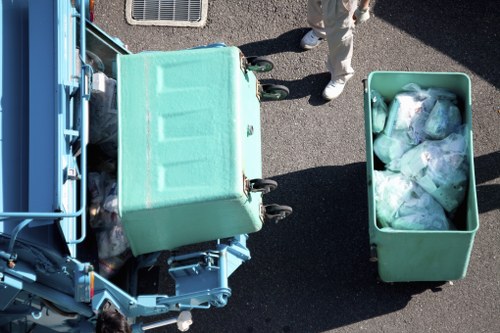 Purpose: This policy sets out the commitment of Highgate Skip Hire to maintain a safe working environment across our rubbish collection and skip hire operations. It applies to all staff, contractors and any persons affected by our rubbish company service area activities. The objective is to prevent injury and ill-health, promote safe systems of work for waste removal, and ensure compliance with applicable health and safety obligations. The policy is written to cover on-site skip hire, vehicle-based rubbish removal and associated handling tasks.
We recognise that effective safety management supports reliable rubbish removal services and reduces environmental risks. This document provides a framework for identifying hazards, assessing risks, implementing controls and continually improving our performance in the waste and rubbish collection sectors. All employees must follow the standards described here when delivering skip hire, waste removal or household rubbish collection services.
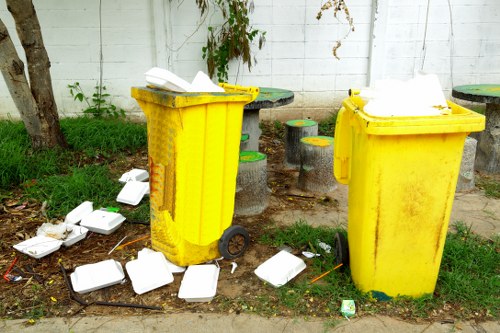 Scope: The policy encompasses operational activities across our service area, including skip hire delivery and collection, manual handling of waste, segregation of recyclable and non-recyclable materials, vehicle operations, site setup and interactions with the public. It applies to temporary site setups, customer premises where we provide rubbish removal, and our yards and depots. Hazardous wastes that require specialist contractors are identified and managed under separate compliance arrangements to ensure safe disposal.
Responsibilities
Management has overall responsibility for health and safety and will ensure adequate resources are allocated. Supervisors and team leaders will implement controls, ensure training, and monitor compliance. Every employee has a duty to work safely and to report hazards or unsafe conditions promptly. The following roles and expectations apply:Key duties include:
- Senior management — set policy, review performance and approve improvements.
- Supervisors — risk assessments, safe systems of work, and equipment inspections.
- Operators and crew — follow procedures, use PPE, and report incidents.
We emphasise that every team member contributes to a safe culture. Training will be provided for vehicle safety, manual handling, hazardous materials awareness and basic first aid relevant to refuse and skip hire operations. Personal protective equipment is mandated where risks are present and must be maintained in a serviceable condition.
 Risk Assessment and Control Measures: Systematic risk assessments will be undertaken for routine and non-routine tasks in the rubbish company service area. Controls will follow the hierarchy: elimination, substitution, engineering controls, administrative controls and PPE. Typical control measures include:
- Safe loading and unloading procedures for skips and vehicles.
- Traffic management plans for roadside collections and site access.
- Segregation of hazardous items and use of authorised disposal routes.
- Regular maintenance of lifting equipment and vehicle safety checks.
Controls are monitored by routine inspections and toolbox talks. Any changes to operations, equipment or materials trigger a reassessment of risks. We will keep records of risk assessments, incident investigations and corrective actions to demonstrate continual improvement in waste removal safety standards.
Safe Work Procedures
Standard operating procedures are maintained for skip placement, vehicle loading, securement of loads and site safety. Crews must ensure that skips are placed on stable, unobstructed ground and that local access for emergency services is preserved. When performing rubbish collection, staff must follow vehicle safety checklists, use banksman guidance where visibility is limited and never exceed load limits.PPE and Equipment
Appropriate PPE includes high-visibility clothing, gloves, safety boots and eye protection. Specialized tasks may require respiratory protection or chemical-resistant gloves. Equipment such as tail-lifts, straps and lifting aids must be inspected and tested in accordance with statutory requirements. Faulty equipment is taken out of service until repaired or replaced. Vehicle and Driver Safety: Safe operation of vehicles is critical for any rubbish collection or skip hire business. Drivers must hold valid licences for their vehicle class, adhere to hours-of-service principles, and perform pre-shift checks. Load security, reversing aids, and safe parking are enforced to reduce collision and manual handling risks. Incidents involving vehicles are investigated to prevent recurrence.
 Incident Reporting and Emergency Response: All incidents, near misses and dangerous occurrences must be reported without delay. Incident investigation procedures identify root causes and corrective actions. Emergency response plans cover spills, fires, medical emergencies and hazardous waste releases. These plans define roles, notification pathways and recovery steps to protect people and the environment.
We maintain records of training, asset inspections, incident reports and health surveillance where applicable. Management reviews these records during periodic safety audits and annual policy reviews. Performance indicators such as incident frequency, corrective action completion rates, and audit findings inform targeted improvement plans for rubbish removal and skip hire operations.
Policy Review and Communication: This health and safety policy will be reviewed at least annually or after significant operational changes. The policy is communicated to all staff and is available to contractors working in our service area. By embedding safe working practices in every part of the business, Highgate Skip Hire commits to protecting the health and safety of its workforce, customers and the wider community while delivering professional waste and rubbish removal services.